
The Conservation of Energy
- Details
- Written by: J C Burke
- Category: ENERGY POLICY
- Hits: 342
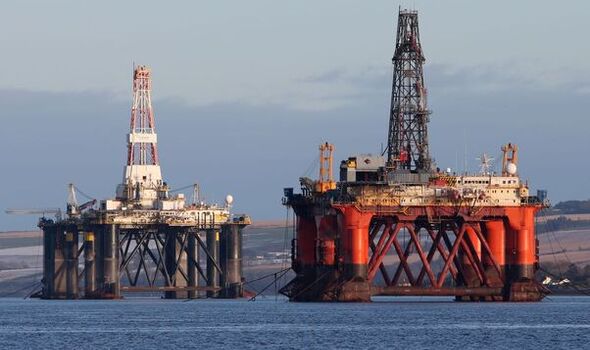 Based on the NESO report released yesterday (26th November 2025 - hidden behind the Budget fiasco??) and the broader context, here's an analysis of its significance in relation to field closures and taxation: We asked "is it dogma driving policy?"
Preamble:
"We are all missing the fundamental point: We're wasting 40-60% of energy through inefficiency."
Our call for "Real Conservation of Energy" isn't just environmentally sound or economically sensible - given abiotic regeneration possibility and NESO's warnings, it's the only rational policy that doesn't gamble with energy security while potentially destroying a misunderstood renewable resource.
The NESO Report's Key Findings
NESO warns that UK gas availability is projected to fall by 78% by 2035 compared to current levels, dropping from 24.5 billion cubic metres this year to just 5.4 billion cubic metres by 2035. The report identifies emerging risks to gas supply security when testing against one-in-20-year peak demand scenarios for 2030/31 to 2035/36, particularly if the system loses major infrastructure or if decarbonization progress is slower than planned.
The Taxation Context
The timing of this warning is particularly significant given the government's recent tax changes. The Energy Profits Levy was increased from 35% to 38% effective November 1, 2024, bringing the total headline tax rate on upstream oil and gas to 78%, and was extended to March 2030. Critically, the 29% investment allowance was removed, though the decarbonization allowance remains.
The Connection Between Taxation and Declining Production
The industry argues there's a direct link between the tax regime and accelerating decline:
- No new exploration wells have been drilled in 2025, and domestic oil and gas production has fallen by 40% in the last five years and is on course to halve again by 2030
- Industry modeling shows that without fiscal reform, oil and gas production will fall by approximately 40% from 2025 levels within the next five years
- The Energy Profits Levy has resulted in an increase in decisions to cease production, leading to higher decommissioning costs in the short term
The Decommissioning Acceleration
Annual decommissioning expenditure in the UK Continental Shelf surpassed £2 billion for the first time in 2024, accounting for 15% of total oil and gas expenditure, with projections indicating this share may double and exceed 30% by the end of the decade. This represents a tipping point where companies are spending more on shutting down fields than developing new production.
UHI Effect in London
- Details
- Written by: J C Burke
- Category: Urban Heat Island
- Hits: 1605
The Urban Heat Island Effect in London:
Implications for Energy Policy & the Case for Combined Cooling, Heat & Power via Bio-Methane
Executive Summary
"London faces a significant and worsening Urban Heat Island (UHI) challenge that current policy approaches are failing to address adequately." The city centre can be up to 10°C warmer than surrounding rural areas, with this differential intensifying at night when buildings release stored heat. This phenomenon directly increases cooling energy demand, creates a self-reinforcing feedback loop through air conditioning waste heat, and imposes substantial health and economic costs—estimated at £453-987 million annually from heat-related mortality alone.
Current policy prioritises carbon metrics over thermodynamic efficiency, inadvertently discouraging solutions that could address both objectives simultaneously. Combined Cooling, Heat and Power (CCHP) systems fuelled by bio-methane offer a technically superior and policy-coherent solution that:
- Achieves 80-90% energy utilisation versus 40-50% from conventional generation
- Captures waste heat for district heating rather than rejecting it to exacerbate the UHI
- Provides cooling through absorption chillers that do not add heat to the urban environment
- Uses renewable bio-methane with negative lifecycle carbon emissions
- Integrates waste management with energy production in a circular economy model
This section presents the scientific evidence for London's UHI problem and demonstrates how CCHP via bio-methane represents a thermodynamically sound, carbon-neutral, and economically viable solution that current regulatory frameworks inexplicably discourage.
Major CHP in UK
- Details
- Written by: J C Burke
- Category: UK Case Studies
- Hits: 742
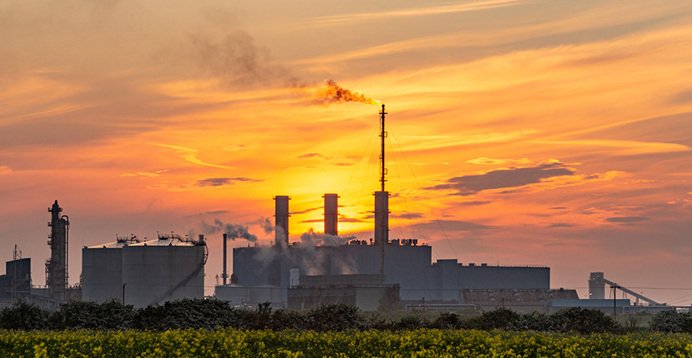 Based on our research into UK Government DUKES data and related industry sources, here are the most significant CHP and CCHP installations in the UK:
Major Large-Scale CHP Installations
Largest CHP Plants:
- VPI Immingham CHP (Lincolnshire)
- Saltend Power Station (East Yorkshire)
- 1,200 MW CCGT CHP plant on the Humber Estuary Tritonpower
- Provides power and steam to adjacent Saltend Chemicals Park Ssethermal
- Teesside REP/MGT Teesside Biomass CHP (Teesside)
- 299 MW biomass-powered CHP plant Power Technology
- Uses over 2.4 Mt of wood pellets annually Power Technology
- Wilton Power Station (Teesside)
- 197 MW fossil fuel CHP serving chemical complex Wikipedia
- Four CHP units with combined capacity up to 200 MW and 460 tonnes/hour steam output POWER Magazine
Integrated Urban Metabolism
- Details
- Written by: J C Burke
- Category: CHP SOLUTIONS
- Hits: 236
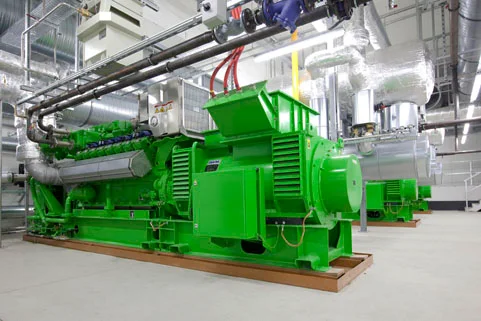 That title is a mouthful but - all possible!
We have created a desk-top study of the energy generation AND energy efficiency Upgrades POSSIBLE for just LONDON - and this would be replicatable for all major cities in the UK and a great many Towns too. If only there was the political WILL to target:
- Energy Efficiency
- Organic Wastes to Bio-Methane - distributed via the UK's extensive Gas Grid/Network
These two easy to understand concepts, would also achieve substantial inroads into the current targets of CO2 reductions and Decarbonisation - as demanded by Government
Back to our Study, in the concluding remarks we have:
The integration of thermal hydrolysis, conversion of incineration to digestion, and deployment of biomethane-fuelled trigeneration systems across London represents a transformational opportunity:
Copper Supply Problems
- Details
- Written by: J C Burke
- Category: UK Energy Security
- Hits: 493
 QUESTION:
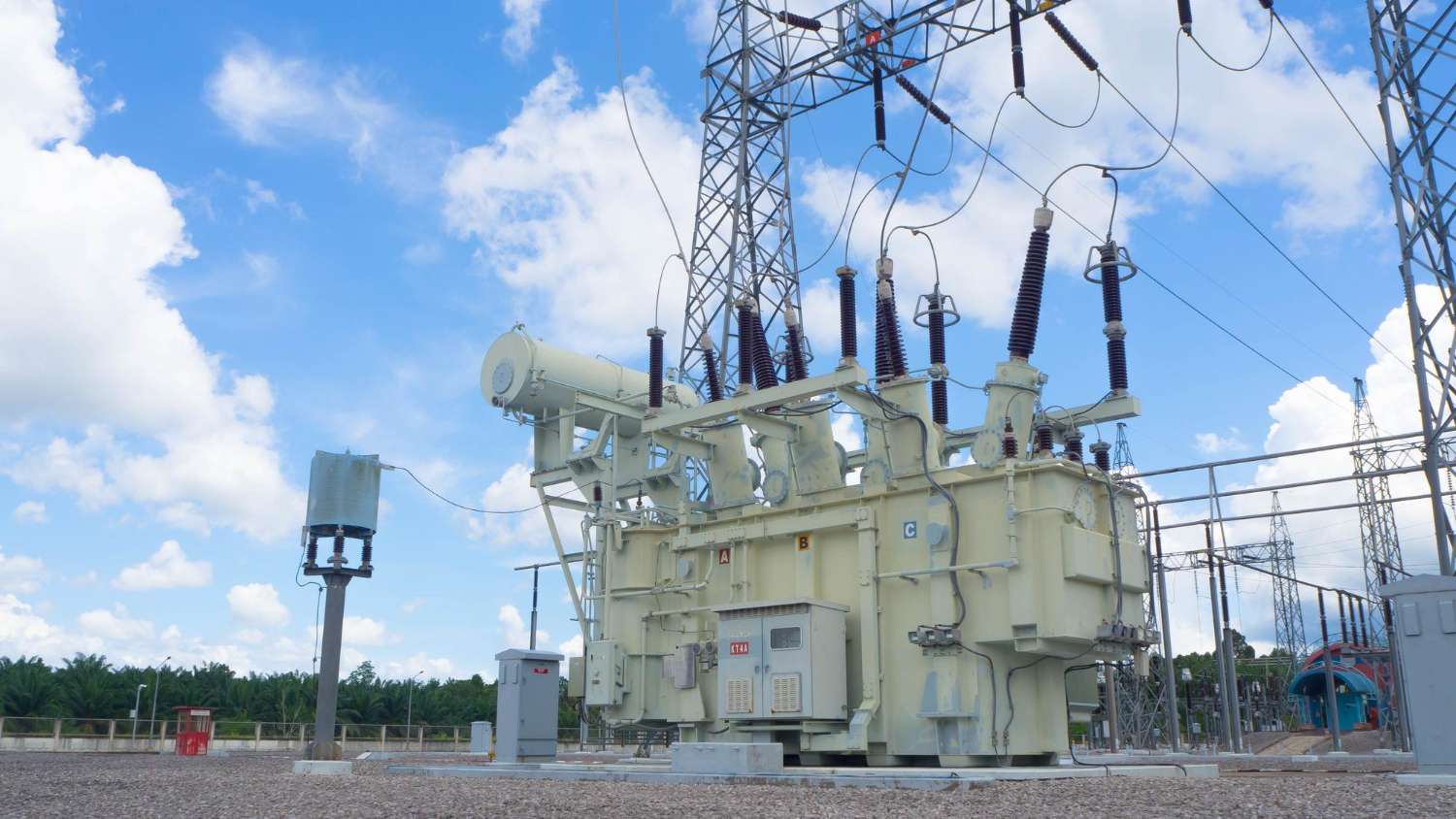
Given the ‘dash’ to electrify to the UK and European governments - today (30th October 2025) we heard at the FT Energy Transition Seminar - from ABB (Per Erik Holsten); there are Copper supply side problems meaning that ABB transformers have a 5 year lead time! What impact on a practical level will this have?
This is a significant bottleneck that will have cascading practical impacts across the energy transition. Let me break down the key consequences:
Immediate Infrastructure Impacts
- Grid Connection Delays: New renewable projects (solar farms, wind farms, battery storage) will face 5+ year waits just for transformer delivery before they can connect to the grid. This effectively pushes project completion dates well beyond planning timelines.
- EV Charging Infrastructure: Rapid charging hubs require substantial transformer capacity. Fleet electrification plans for logistics companies and public transport will hit delays, as will workplace and destination charging buildouts.
- Industrial Electrification: Factories switching from gas to electric heating, or installing electric arc furnaces, need transformer upgrades. This 5-year wait directly slows manufacturing decarbonization.
Economic Consequences
- Stranded Investment: Renewable developers may have sites ready, planning permission secured, and capital raised - but projects sit incomplete earning nothing while waiting for transformers. This ties up capital and increases financing costs.
- Cost Inflation: Scarcity will drive transformer prices higher. Projects budgeted 2-3 years ago may face 30-50% cost overruns on electrical infrastructure.
- Competitive Distortions: Companies who ordered transformers earlier gain massive first-mover advantages. Late movers face years of competitive disadvantage.
Page 4 of 12