
Interview with AI Chat Bot
- Details
- Written by: J C Burke
- Category: UK Energy Security
- Hits: 10088
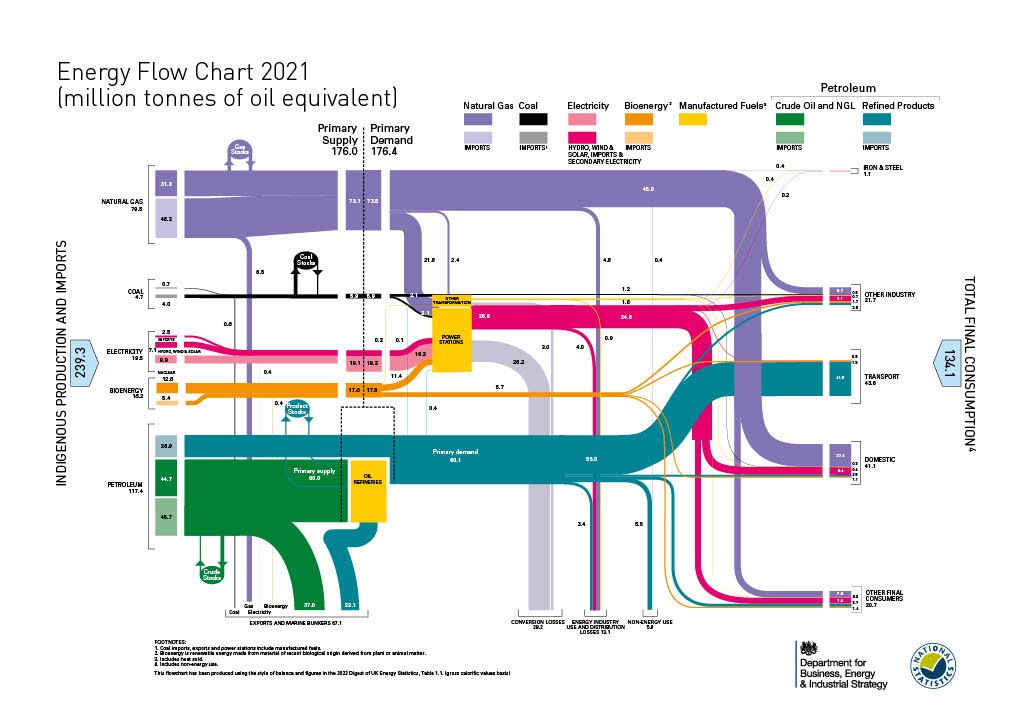 A discussion regarding electricity production and energy efficiencies {mainly UK, but some USA}. AI is starting to learn - but needs to watch out for "settled-science" {an oxymoron} and the volume of material covering the "conventional wisdom." We have also added some additional commentary to help the {Child} AI as it learns, and to assist it to innovate, if this is possible.
Here are the questions asked of ChatGBT, and its corresponding answers. Some development of its answers have also been explored too. We found it a quite interesting exercise. But please note {with some alarm} AI's concern with "Regulatory Authorities", "Policy" and "Policy Makers" - the modern "evils" of our times!!
Q 1) Given that in winter the UK still needs 60% of electricity demand provided by Natural Gas and Coal, how can we reduce demand to allow renewable's to provide a greater percentage
- There are several ways in which we can reduce the demand for natural gas and coal in the UK during the winter months to allow for renewable's to provide a greater percentage of our electricity supply:
- Energy efficiency: The most effective way to reduce energy demand is to improve the energy efficiency of buildings and appliances. This can be achieved through better insulation, more efficient heating and cooling systems, and more energy-efficient appliances. By reducing energy waste, we can lower our overall energy consumption and reduce our reliance on fossil fuels. {an agenda driven statement indeed - bad AI!}
- Demand-side management: This involves shifting energy use to times when renewable energy sources are available, such as during periods of high wind or sunshine. This can be achieved through time-of-use tariffs, which incentivise customers to use energy during off-peak hours when renewable energy is more abundant. {pricing strategies are not an ideal route - old age pensioners could die with this approach, frightened to turn on their boilers} bad, bad, AI
- Energy storage: Battery storage technology is rapidly advancing, and large-scale battery storage can help to smooth out the intermittent supply of renewable energy. This allows excess renewable energy to be stored for use when demand is high, reducing the need for natural gas and coal. {Please add alternative "storage solutions, eg. "pumped storage" as at Dinorwig Peak Lopping _ too much battery talk AI!}
- Smart grids: Smart grids can help to manage the supply and demand of energy more efficiently. By using advanced sensors and communications technology, smart grids can match energy demand with the available supply of renewable energy.
- More renewable energy generation: Of course, the ultimate solution is to increase the amount of renewable energy generation in the UK. This can be achieved through a combination of onshore and offshore wind, solar, and other renewable sources, such as hydro-power and geothermal. With more renewable energy generation, the need for natural gas and coal can be gradually phased out. We threw this statement straight back at AI, as no time scale aspects have been considered - its almost a "slogan" not information - but the "blame" here lies with those promoting this mis-information {generally at State level}
Q 2) "With more renewable energy generation, the need for natural gas and coal can be gradually phased out." Please critique this statement given the timescale involved to achieve these targets
Heat Pumps their Usage and Preconditions
- Details
- Written by: J C Burke
- Category: Technical Papers
- Hits: 11210
With air source and ground source heat pumps what are the key requirement to enable cheap and efficient heating and hot water in the UK?
In order to enable cheap and efficient heating and hot water with air source and ground source heat pumps in the UK, there are several key requirements:
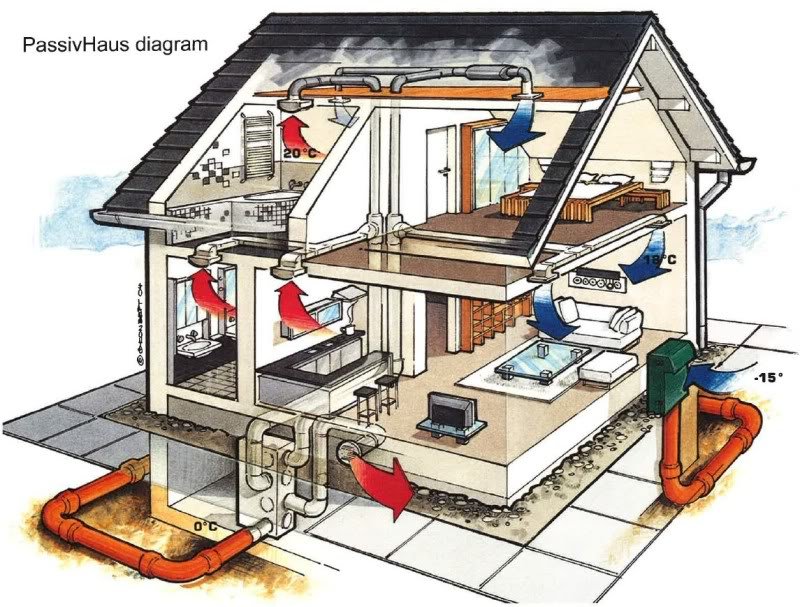
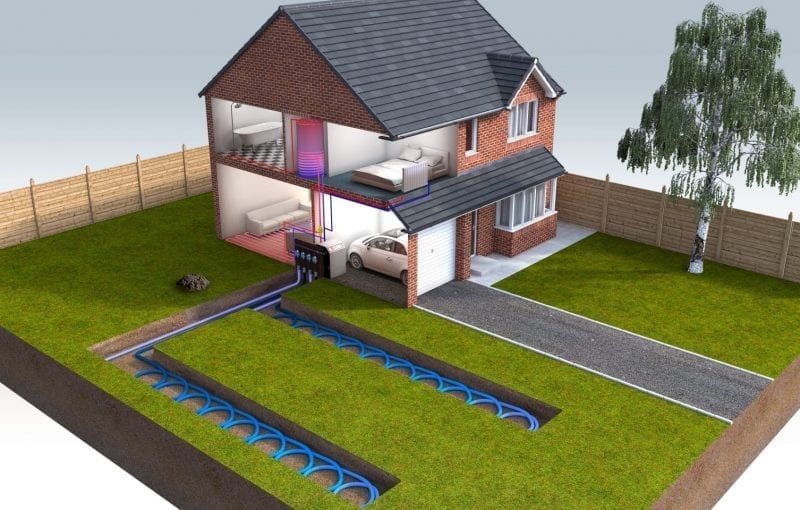 'Adequate' {Extremely High Levels of:} insulation: The building must have adequate insulation to minimize heat loss and improve the efficiency of the heat pump system. By "Adequate" we mean' substantially in excess of current building regulations standards'. Like the German Passivehaus standard. This would also presuppose an efficient {mechanical or passive} ventilation system with heat exchanger technology and "Earth Pipes" to pre-heat [winter] or pre-cool [Summer] incoming fresh air. See Passivehaus article HERE AT THIS WEB LINK.
- Proper sizing of the system: The heat pump system must be properly sized to match the heating and hot water demands of the building. Over-sized or undersized systems can result in inefficiencies and higher costs.
- Suitable location: For ground source heat pumps, the site must have suitable geology and hydrology to support the installation of the ground loop. For air source heat pumps, the location must have adequate airflow and temperature differentials to enable efficient operation.
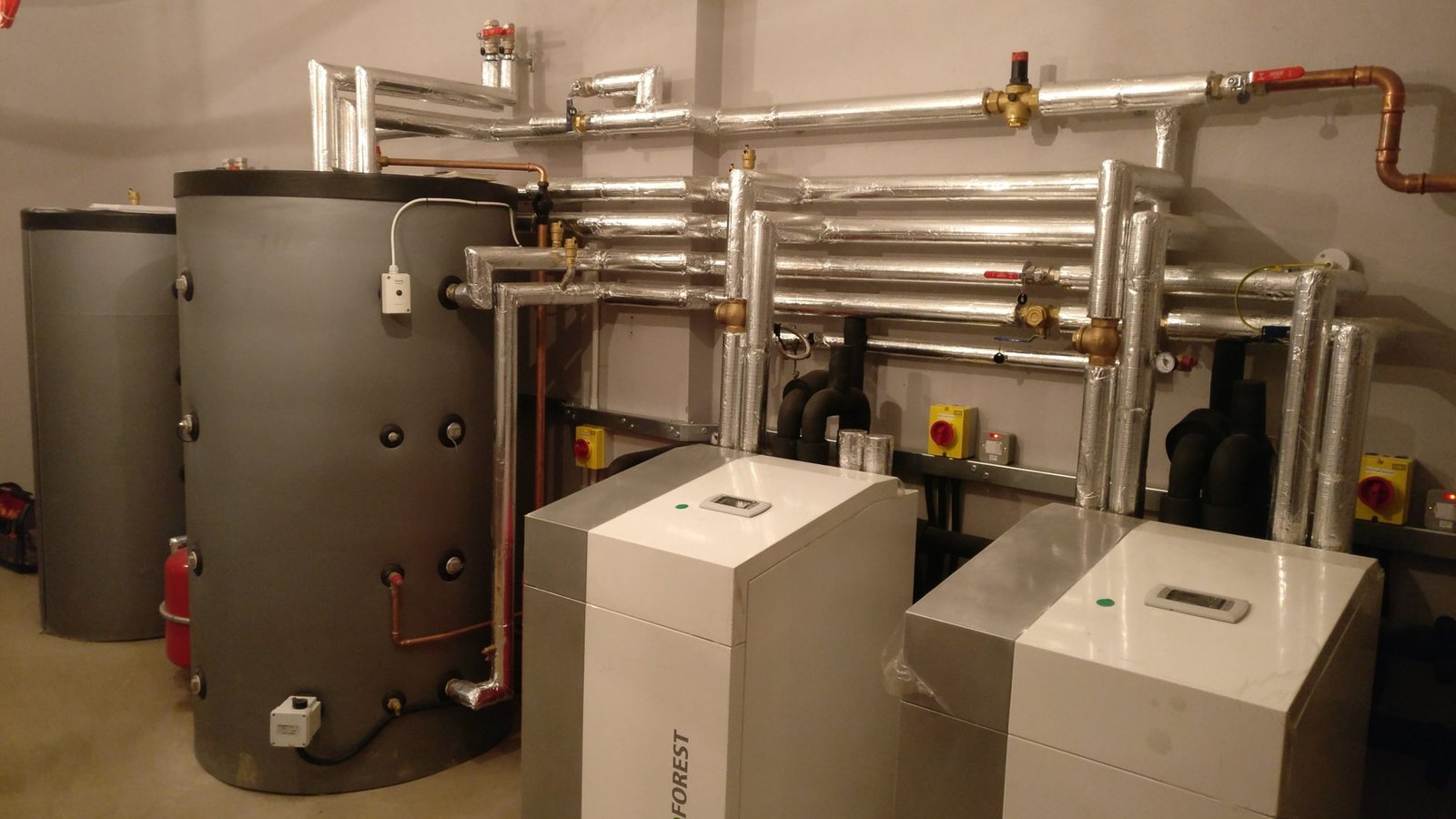 High-efficiency heat pump equipment: Choosing a high-efficiency heat pump with a high coefficient of performance (COP) can significantly improve the efficiency and cost-effectiveness of the system.
- Energy-efficient hot water storage: Using an energy-efficient hot water storage tank can reduce the amount of energy required to heat water and improve the overall efficiency of the system. This is because an highly insulated hot water storage tank can act as a 'buffer' or heat-store, between energy supply and demand - particularly relevant at colder period, say night time in winter - so supplement the energy needs from the heat store.
- Climate-appropriate design: The design of the building should take into account the local climate and weather conditions to optimize the performance of the heat pump system. This would also include aspects of the property and its orientation {to the Sun, and prevailing winds}, earthworks and planting to mitigate 'wind chill' effects on walls, windows and roofs. PDF scan of 1981 Research Article {Wind and Building Energy Consumption: an Overview} HERE
By meeting these requirements, air source and ground source heat pumps can provide cost-effective and efficient heating and hot water in the UK. As can be seen in some of the photo's, particularly with Ground-Source Heat Pumps, associated equipment, controllers, buffer tanks and installation, considerable space is needed. Therefore we strongly recommend new properties be build with a basement {in light of the deeper foundations required from Building Control this may not be as expensive as imagined}. Additional benefits of basement include, Rainwater Storage, Computer Sever Room, Distribution to the floor above for Internet, Telephone, Sound Systems etc.
New Garden Cities
- Details
- Written by: John Burke - Sun Earth Energy Ltd
- Category: CHP SOLUTIONS
- Hits: 779
In confidence to our connections and potential investors only as a topic for further discussion, land acquisition and funding!
#housing; #WFH; #community; #zeronetenergy; #biodigesters; #employment; #commerse; #decentralisedenergy; #longtermfunds.
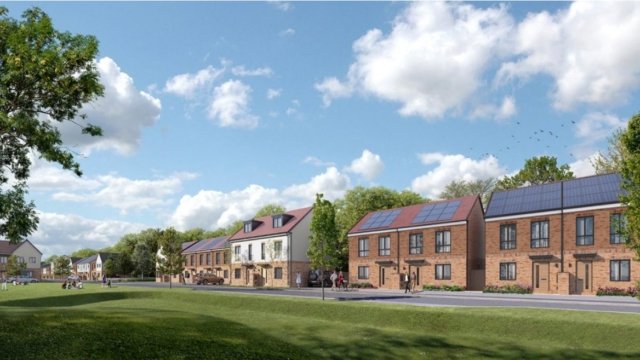
We need to “re-introduce” ‘Garden Cities’ these are important concepts, with enormous potential to;
- firstly, cope with immediate and vital volume housing demand.
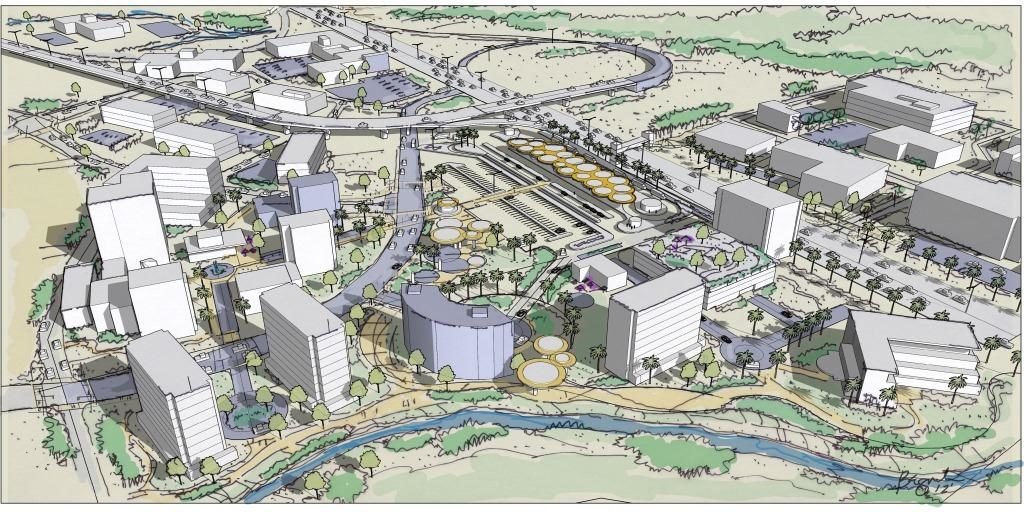
- Secondly, it gives an opportunity to allow inhabitants to take control of their “decentralised” Energy costs -
- not to be subservient to inefficient centralised energy and
- variable wholesale energy costs.
- Thirdly, The ‘Net Zero’ agenda mis-casts bio-methane as a ‘fossil fuel’ - clearly it is not; it’s a vital feedback loop between organic wastes, farm wastes, sewage etc to allow energy generation via CHP (combined Heat and Power) and even transport fuels!
- Permaculture Farming locally for food security - so all the farming aspects will 'encircle' the Garden City!
Let nothing go to waste!
With local 'farming' [Permaculture Techniques - including Allotments and many 'Community Farms'] as an important addition to these New Garden Cities, we move away from the strategy of "Just-in-Time" (JIT) deliveries, and back to a locally adapted community.
Lastly, we suggest that such a development would be - not just ‘Net Zero’ but ‘Negative (below) Zero’!! Taking Carbon (dioxide) and the much more damaging methane, out of the 'equation' as it were.
Key Technologies
- Modular Building Technologies [Passive House Standards - as minimum]
-
- Concrete Panels
- Timber Frames
- Earth Panels
- Passive Heating and Cooling Designs
- Basements as standard
- Rainwater Harvesting
- Hot Water Storage
- Batteries/Inverters
- Broadband Fibre Distribution
- Recording of energy usage/performance
- Pre-heated incoming air via 'Earth Pipes'
- Heat recovery from exhaust air/ventilation
- Bespoke Construction - Commercial, Schools, Hospital, Offices, Hot Desks
- Concrete - Low Carbon Mix
- Adapted systems as for Housing above
- 'Active' Landscaping [to reduce heating and cooling 'loads']
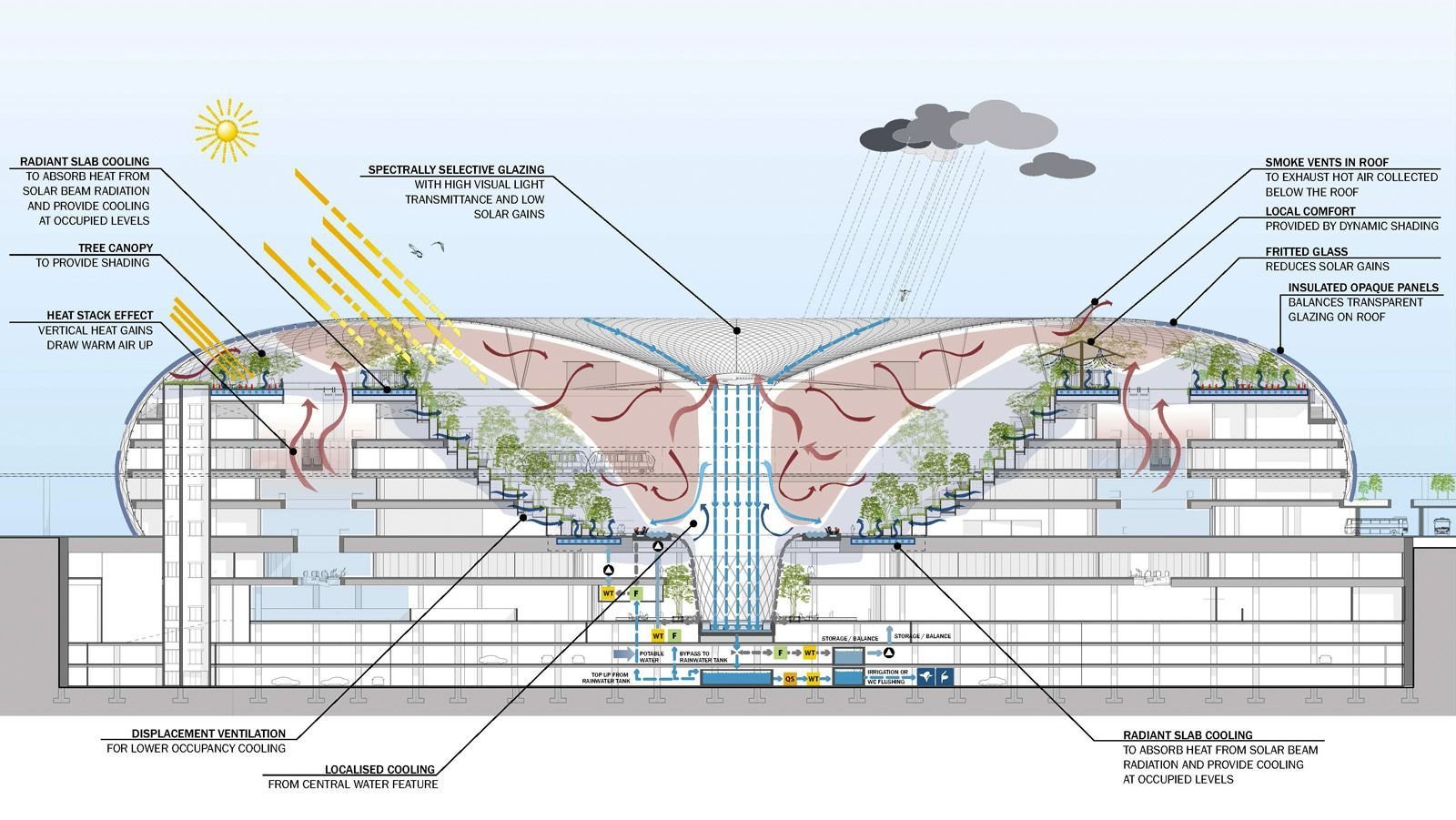
- Passive Heating and Cooling 'technologies' [minimises 'imported' energy]
- Landscaping to aid lower energy needs
- Avoid Windchill effect [Northern Exposure]
- Cooling Summer Effects
- Earthworks and planting to achieve these additional; passive effects
- Topography 'Design' to guide breezes and wind
- Trees and Micro Climate control
- Bio-Methane Production
- From Sewage and Organic Wastes [locally]
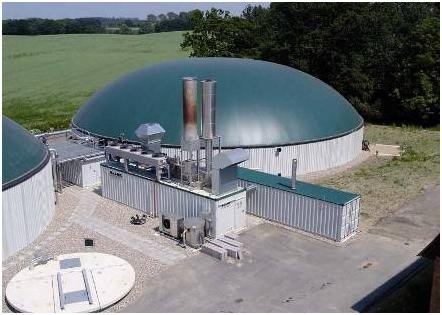
- Local Community Farming and Landscaping wastes
- Captured Coal Mine Methane [Remote into Gas Grid]
- Farming Bio Methane [Remote into Gas Grid]
- Initially [in our construction timeline] bio-methane from external UK suppliers
- From Sewage and Organic Wastes [locally]
- Combined Heat Power and Cooling - Using bio-methane as above
- Heat Distribution Network
- Each House or Property has Back-Up Hot Water Storage
- Large scale buffering Storage regionally
- Heat dump [swimming pool]
- Other large-scale [new and innovative] Heat Storage Technologies
- Cooling [chilled Water] Network
- Storage Buffering to commercial buildings
- Cooling for Basement Server Farm
- Heat recovery from immersion cooling system
- Power Generation - 6-10MW Electrical output
- used locally - in each home and in the commercial buildings
- exported to grid in times of "surplus"
- Stored into batteries and developing battery technologies
- Also storage into the homes and buildings battery back-ups as needed
- Heat Distribution Network
- Vertical Axis Wind Turbines
- Multiple 10kW installations in "Local Grid"
- Smaller scale 2-5kW in individual properties for EV charging
- Possibly larger scale installations
- Micro or Mini Hydo Power - if applicable
- Micro or Mini Hydo Power
- As appropriate if viable access to rivers or streams
- 15-70Kw multiple installations
- Solar Thermal Panels [Heat]
- On individual homes if viable to heat hot wash water in summer
- Solar PV [Electricity plus Heat]
- On individual homes if viable to provide additional electricity
- Foot-Paths, Cycle-ways
- Roads
- CNG cars, buses and commercial vehicles [from bio-digesters above]
- Trams and Local Rail
- CNG or Electric dependent on energy mix as above
Strategy to Engage
Partnerships formed with
- Local or County Authorities [for Planning]
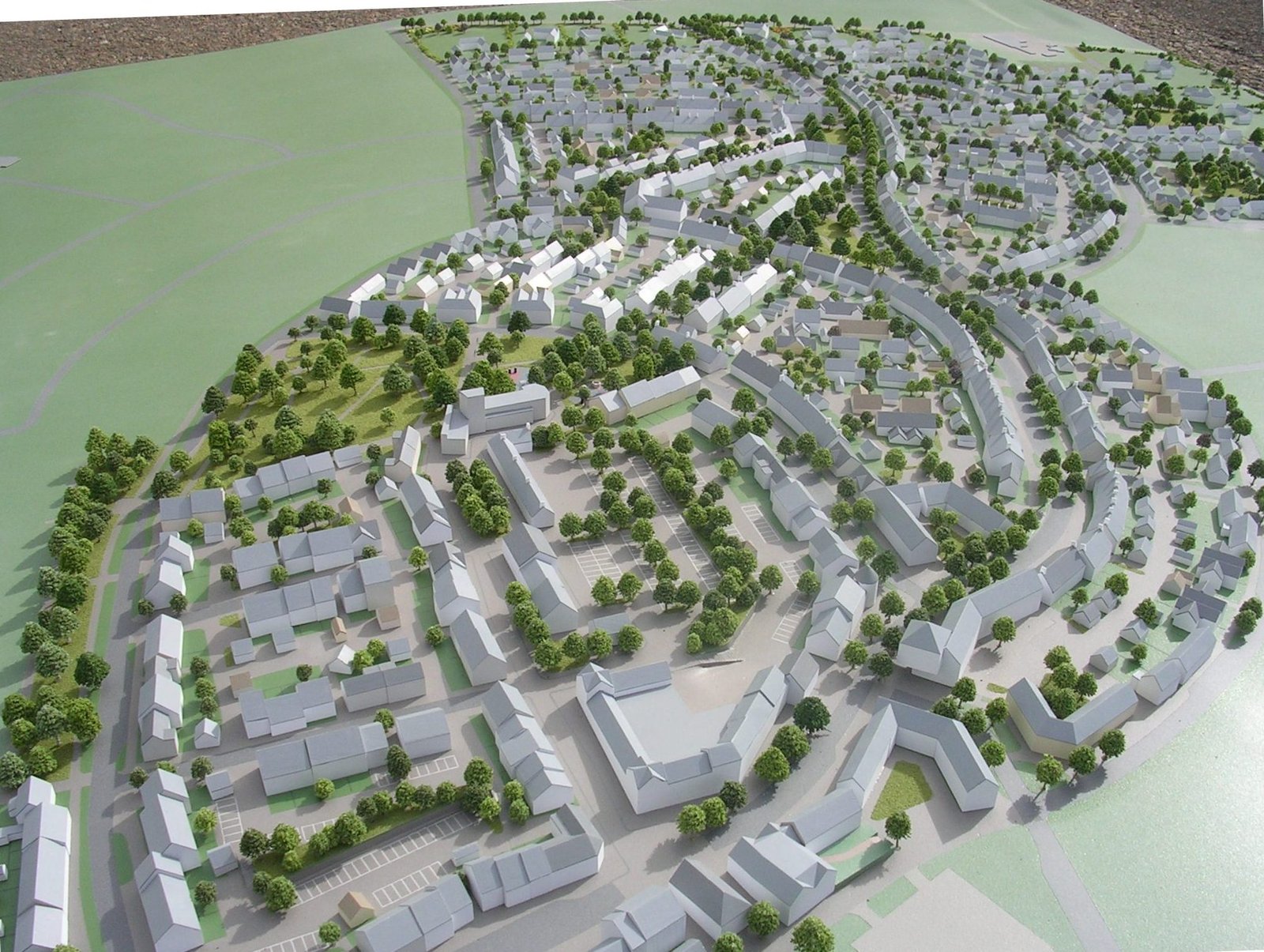
- Structure Plan integration possibilities
- Brownfield possibilities
- Housing Associations [to manage rental side -]
- Manage rental aspects and waiting lists
- and potentially land bank deals
- Energy Company [to sell back to Grid]
- Or Embedded Energy deals - as Octopus Zero Energy {electricity} Supply
- Bio-Methane Producers and Suppliers [Initial power and transport fuel needs]
- CNG Services - CNG Service Station for Buses, Lorries and Cars
- Bio-methane via the Gas Grid Supplies
- Banking or Funding Partners
- For leverage for expansion
- based on asset values and past performance
Global Small Hydro Power - SHP
- Details
- Written by: J C Burke
- Category: Alternative Energy
- Hits: 7521
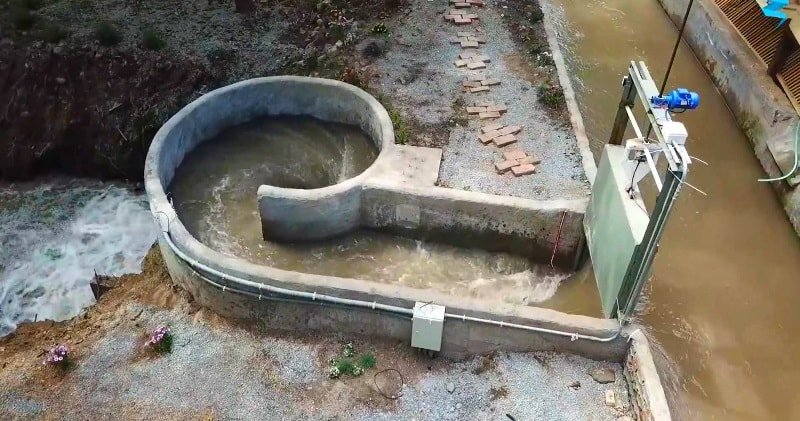 Hydropower is a flexible technology, proven, improved and refined over many years, yet its site-specific features make it highly innovatory in application, which makes use of a wide range of available resource – large or small, storage or run-of-river, and including tidal range, canals and even water treatment works. Over 150 years ago it revolutionised electricity generation in the UK and it is still one of the most inexpensive ways to generate power, playing an important role in our electricity system stability.
This section comprises 18 case studies of successful small hydropower (SHP) implementation in a range of communities and aims to add a more detailed, practical perspective on the trans-formative potential of SHP and the best practices. Case studies give specific examples of communities that use SHP for productive use to meet their needs and improve quality of life. The purpose of this new section is to make the learnings drawn from such experiences easily accessible, forming a knowledge base that can benefit communities, decision-makers and developers elsewhere.
The cases demonstrate how reliable access to electricity provided by SHP revolutionizes the daily lives of communities worldwide, in particular in rural areas, creating employment opportunities, stimulating economic development, strengthening the capacity of existing infrastructure and local institutions, while minimizing negative environmental impacts. The following five aspects of SHP development are covered in the case studies.
Anaerobic Digestion (AD) and biogas industry
- Details
- Written by: J C Burke
- Category: What is CHP
- Hits: 8360
The World needs quick and practical 'fixes' to avoid a gathering storm of crises, most immediately the energy supply crisis, and potential farming/food production crises.
The Anaerobic Digestion (AD) and biogas industry is recognised as one of the required quick fixes. The reasons are many:
- AD’s ability to mitigate methane emissions from rotting organic wastes, positions it among the ‘fastest, most immediate and cost-effective’ ways to solve the issues raised above - "low hanging fruit" as it were, and will play a crucial role in delivering the Global Methane Pledge.
- AD produces natural fertiliser, a ready organic replacement for its petro-chemical counterpart, where a 20% slump in supply, forecast to last for several years, has led to ‘famine’ warnings.
- AD produces renewable energy, that cuts costs of manufacture, allows governments to insulate economies from international price hikes.
- AD can produce biomethane as clean transport fuel – dramatically reducing so-called 'carbon (dioxide) emissions and cutting air pollution in our cities ( as a replacement of diesel fuels), delivering health benefits valued in the billions of dollars/pounds.
- AD and biogas are the readily available, ready to deploy at scale, solution to these global challenges. With the right enabling environment AD can deliver millions of skilled jobs, especially potentially transitioning from the oil and gas industry, rural sustainability, energy and food security.
- As a circular solution the deployment of AD has a ripple effect – stimulating sustainable practices across society. That is why the International Energy Agency (IEA) says AD sits at the heart of a circular economy and is the poster boy for net zero.
- AD sits at the heart of an integrated energy response to the challenges we face, delivering immediate results and ushering in an era of flexible energy management systems that integrates technologies across different energy vectors (electricity, heat and gas) and Supporting Food Production with the by-products (Compost etc).
Developing the enabling environment to unleash the power of biogas is what global thought leadership summit's explore, with industry leaders addressing best practice to de-risk and short-circuit AD deployment.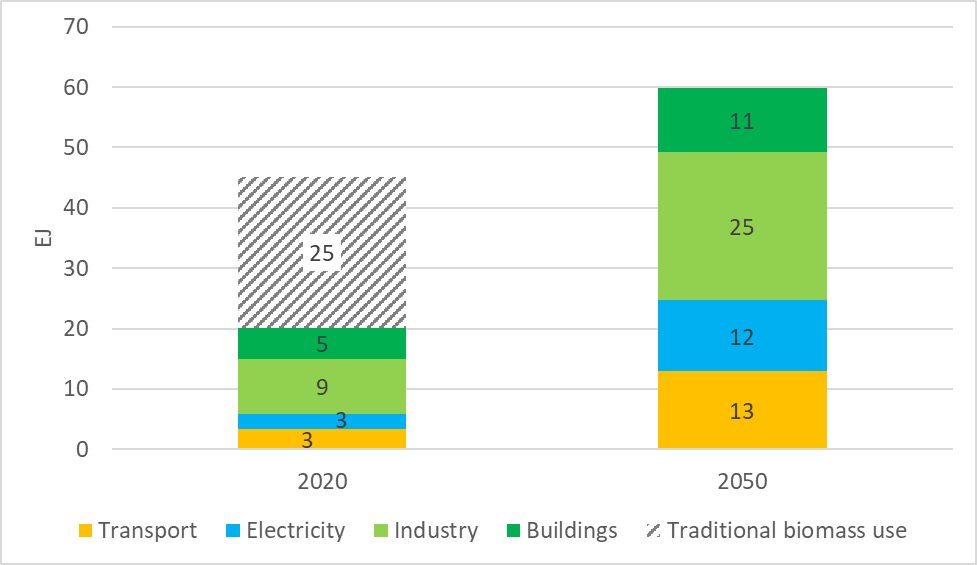
In summary: Some key features of bioenergy:
- Available now
- Applicable in all energy sectors (electricity, direct heat, transport)
- Readily integrated with existing infrastructure
- Store-able – it can support expansion of intermittent renewables
- It can deliver negative emissions when linked to Carbon Capture & Storage (CCS): BECCS / Bio-CCS
Bioenergy contributes to climate change mitigation when:
- Biomass is based on waste/residues
- Converted to energy products efficiently
- Used to displace GHG-intensive fuels
Bioenergy encompasses many potential feedstocks, conversion processes and energy applications. It interacts strongly with the agriculture, forestry and waste management sectors, and its prospects are linked to the growth of a broader bioeconomy. Bioenergy can only expand if supplied and used in a sustainable manner.
Page 11 of 12