 Biogenic CO₂ Capture & Utilisation for Horticulture
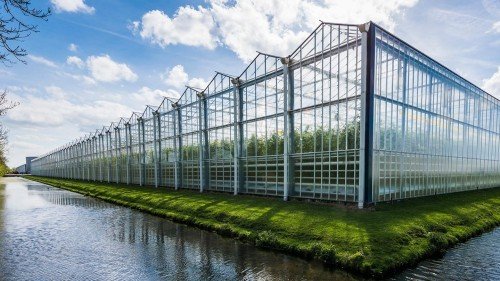
The map will include biogenic CO₂ byproduct potential from AD upgrading sites. This CO₂ — a high-purity "plant food" — can be sold/ piped to nearby nursery growers and greenhouse operations, accelerating crop growth (yields up 20–100% at 800–1,200 ppm enrichment). Examples: Apsley Farms (30 t/day capture) and Future Biogas (14,000+ t/year). This creates extra revenue, closes nutrient/carbon loops, and boosts peri-urban food production — a key IUM extension.
Biogenic CO₂ Byproduct: Feeding Plants for Faster Growth
Anaerobic digestion produces biomethane + biogenic CO₂. Capturing this CO₂ (instead of venting) supplies "plant food" to greenhouses/nurseries: optimal enrichment (800–1,200 ppm) speeds photosynthesis, increases yields (up to 100% in tomatoes), and shortens cycles. Local supply chains turn urban waste into regional food security — enhancing IUM's circularity.
"Biogas Upgrading → Biomethane (grid/CCHP) + Captured Biogenic CO₂ → Sold/Piped to Greenhouses → Faster Crop Growth + CO₂ Uptake"
This makes IUM even more compelling for grants (e.g., DESNZ innovation funds love CCU in AD).