 Biomethane Research: Mapping UK Potential for Integrated Urban Metabolism
At Urbium Research Ltd, we are developing the UK's first interactive **National Biomethane Potential Map** specifically designed to support **Integrated Urban Metabolism (IUM)**. This project goes beyond national aggregates to overlay sustainable feedstock arisings with urban density, existing gas-grid injection points, and clusters of high-rise buildings ideal for basement **CCHP (trigeneration)** systems.
Current UK biomethane production stands at around 7–10 TWh annually (mostly grid-injected from anaerobic digestion), but sustainable domestic feedstocks offer massive untapped scale:
- By 2030: Up to 50 TWh potential (Green Gas Taskforce / Alder BioInsights 2025 study) — enough to cover ~7–10% of current gas demand and support accelerated decarbonisation.
- By 2050: 100–120 TWh realistic from waste, manure, sewage, food waste, agricultural residues, and rotational crops (avoiding food competition) — potentially 20–50% of a reduced future gas demand in net-zero scenarios (NESO Future Energy Scenarios 2025; GGT/Baringa analysis 2025).
These figures come from independent, widely adopted studies (Alder BioInsights for GGT, Cadent/SGN feedstock mapping, ADBA modelling). They highlight biomethane as a low-cost, dispatchable renewable that reduces methane emissions from waste, displaces fossil imports, and leverages the existing 280,000 km gas grid.
Why a New Map? Filling Critical Gaps
While national and regional assessments exist (e.g., SGN's GB-wide feedstock study, Cadent reports, European Biomethane Map 2025), none fully integrate:
- Urban metabolism priorities: Feedstock proximity to dense cities for local injection and use.
- CCHP displacement opportunities: Suitability of existing tower blocks/office buildings for basement trigeneration (electricity + heat + absorption cooling) to replace grid AC and gas boilers — a key efficiency win overlooked in heat-network zoning and DESNZ assessments.
- Spatial + systems layering: Gas-grid entry points, urban building stock (EPC/Valuation Office data), waste arisings at 1–5 km resolution, and IUM closed-loop benefits (e.g., digestate fertiliser return to peri-urban agriculture).
Our map will be GIS-based, interactive, and open-access — embeddable on urbium.org — to inform policy, developers, and networks. It aligns with government targets (10 TWh biomethane by 2030 via GGSS extension) and the upcoming DESNZ/Ofgem biomethane policy framework consultation (expected FY 2025–26).
Project Objectives
- Compile and spatially map sustainable UK biomethane feedstocks (Defra waste stats, EA sewage, Ofwat data, GGT/Alder BioInsights breakdowns) with sustainability filters (no energy crops competing with food/land).
- Overlay urban layers: High-density building clusters for CCHP retrofits, gas-grid infrastructure, and displacement modelling (avoided grid power, boiler fuel, reinforcement costs).
- Quantify IUM-specific benefits: CO₂ savings, efficiency gains (80–90% via trigeneration), energy security, and revenue potential from waste-to-resource loops.
- Deliver: Interactive public map + policy briefing for DESNZ, Ofgem, gas networks (Cadent, SGN, National Gas), and industry bodies (ADBA, GGT).
Timeline & Funding
Estimated duration: 18 months
Budget range: £180,000–£350,000 (staff, GIS tools, data access, stakeholder workshops, validation).
We are actively seeking grant partners and additional co-funding. Potential routes include:
- DESNZ Net Zero Innovation Portfolio or Biomass Strategy follow-ons.
- Innovate UK Smart Grants / Net Zero Living programme.
- UKRI Energy Programme / EPSRC (biogas efficiency themes).
- Ofgem Strategic Innovation Fund (via gas networks like Cadent/SGN).
- Green Gas Taskforce / ADBA endorsement or co-funding.
Expression of Interest: If you're from government, a network operator, foundation, or research body interested in practical net-zero innovation, contact us to discuss collaboration or pilot integration.
Contact here: "Get Involved – Contact Urbium Research"]
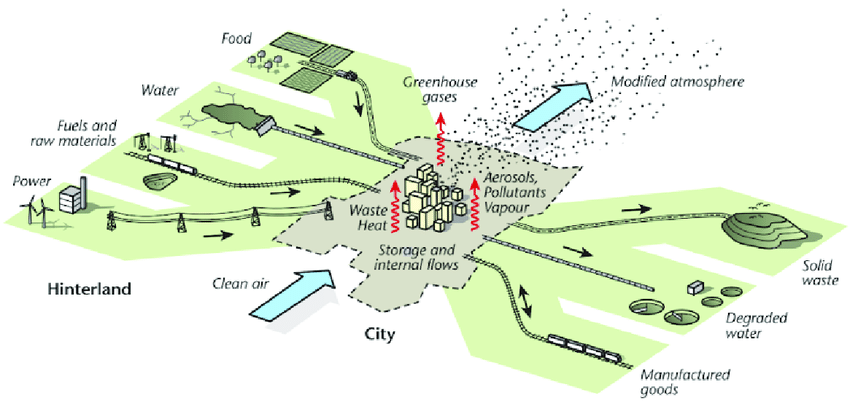
Stay tuned for map prototypes and early findings. This research directly advances IUM by turning urban waste into localised, high-efficiency energy — making cities more resilient and circular.